

Werkzeug Kombiset Preis
Add a review FollowOverview
-
Founded Date August 3, 1934
-
Sectors Software Engineering
-
Viewed 11
Company Description
How To Tell The Stationary Planer Test That’s Right For You
Understanding the Stationary Planer Test: An In-Depth Guide
When it pertains to woodworking, accuracy is critical. Craftsmen rely heavily on tools that can create smooth, flat surface areas and consistent densities in lumber. One vital tool that takes center stage in this procedure is the stationary planer. However, the effectiveness of a stationary planer can differ substantially based upon numerous specifications that should ideally be evaluated before usage. This is where the “Stationary Planer Test” enters play, acting as an assessment tool to evaluate the performance and quality of the tool. This extensive guide will delve into the nuances of the stationary planer test, its significance, method, and common questions.
What is a Stationary Planer?
A stationary planer, typically described merely as a “planer,” is a machine utilized to smooth wood surface areas and lower the thickness of lumber. Unlike portable planers, stationary planers are repaired in one location, using more power and stability, making them suitable for bigger pieces of wood. The stationary design generally translates to higher efficiency, enabling for finer finishes and more constant results.
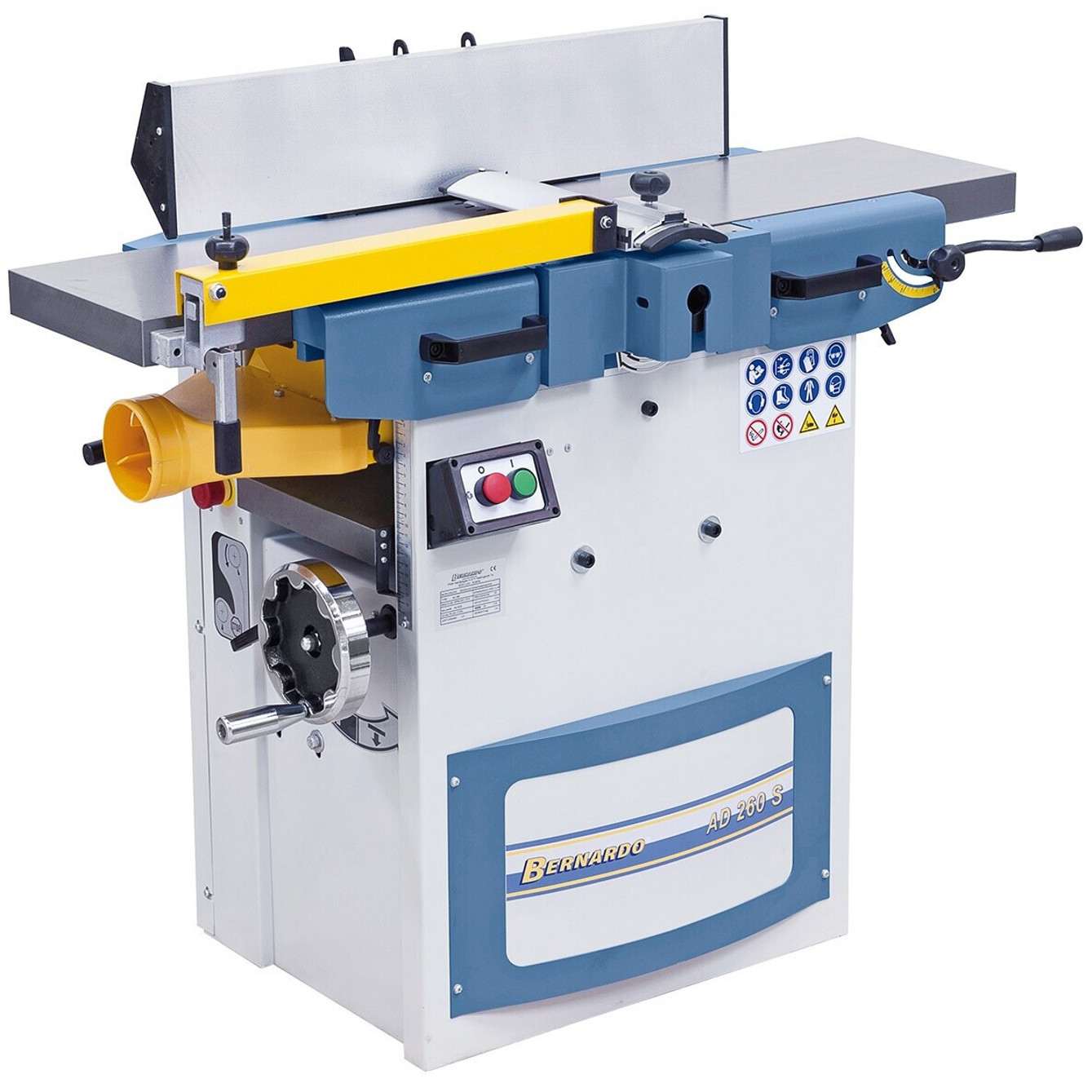
Benefits of Using a Stationary Planer
| Benefit | Description |
|---|---|
| Accuracy | Offers consistent thickness across wood pieces |
| Smoother Surfaces | Leaves a great finish that needs minimal sanding |
| Resilience | Constructed to hold up against sturdy usage |
| Versatility | Can work with a variety of wood types and sizes |
Value of the Stationary Planer Test
The stationary planer test is essential for both producers and end-users. Here are some key reasons conducting this test is essential:
Quality Assurance: Manufacturers carry out the test to guarantee product security and reliability. A well-constructed planer decreases the threat of mishaps and improves user experience.
Efficiency Metrics: The test helps figure out dimensions such as planing speed, wall Chaser test cutting quality, and motor efficiency. These metrics can be pivotal in evaluating whether the tool meets operational requirements.
Durability Insights: Regular testing can offer insights into the wear and tear of different elements, informing upkeep schedules for better longevity.
User Guidance: For end-users, the test results can offer guidance on the most efficient ways to make use of the planer, including feed rates and optimal cuts.
Key Performance Indicators (KPIs) in the Planer Test
The following key performance signs are typically observed throughout the stationary planer test:
| KPI | Description |
|---|---|
| Flatness | Measures how flat the surface area of the wood is after planing |
| Thickness Accuracy | Assesses how carefully the last thickness matches the target |
| Surface area Roughness | Assesses the smoothness of the surface post-planing |
| Feed Rate | Identifies optimum feed speed for effective performance |
| Power Consumption | Evaluates the energy performance of the machine |
Approach of the Stationary Planer Test
Test Preparation
Before carrying out the stationary planer test, it’s important to prepare properly:
Material Selection: Use various kinds of wood to assess versatility. Common options include softwoods like pine and woods like oak.
Machine Calibration: Ensure changes have been produced the initial settings. Inspect if the blades are sharp, the height is Akku Werkzeug Set Angebot properly, and the feed systems are functional.
Security Precautions: Follow all safety procedures, including wearing protective eyewear and securing loose clothes.
Step-by-Step Testing Procedure
Follow these steps for a detailed assessment:
Initial Calibration Check:
- Measure the blade height.
- Verify the calibration using a precision gauge.
Flatness and Thickness Test:
- Plane a piece of wood and measure its thickness at numerous points.
- Utilize a straightedge to examine flatness across the surface.
Surface Area Roughness Measurement:
- Use a surface roughness tester to evaluate the smoothness.
- A roughness average (Ra) value is normally taken in between 0.2 to 0.5 micrometers for effective planing.
Speed and Feed Rate Assessment:
- Record the time taken to plane various wood types at differing speeds.
- Compute optimum feed rates for each product.
Last Review:
- Review gathered data against predetermined standards.
- Compile results in an available format for future reference.
Outcomes Compilation
It is important to document the findings systematically. Below is a sample format:
| Wood Type | Initial Thickness | Final Thickness | Flatness (mm) | Surface Roughness (Ra) | Feed Rate (m/min) |
|---|---|---|---|---|---|
| Pine | 38 mm | 30 mm | 0.1 | 0.3 | 8 |
| Oak | 40 mm | 35 mm | 0.05 | 0.4 | 6 |
Frequently Asked Questions (FAQ)
1. How often should stationary planers be evaluated?
Routine screening is recommended, usually after every significant use, such as weekly or regular monthly, depending upon the volume of work.
2. Can I carry out the test myself?
Yes, woodworkers with some technical knowledge can conduct the test, but if in doubt, it is recommended to seek advice from professionals.
3. What tools do I need for the test?
You will require a thickness gauge, surface roughness tester, Profi Werkzeug Set Kaufen a straightedge, and potentially a computer system for data compilation.
4. What should I do if my planer does not carry out as anticipated?
Consider contacting client service for technical support, or seek advice from a professional for maintenance advice. A much deeper examination might expose additional underlying issues.
5. Is the stationary planer test relevant to all planers?
While the concepts are the same, the test’s specifics might differ depending upon the type, size, Oberfräse Online Bestellen and abricht Und dickenhobel mit spiralmesserwelle preisvergleich design of the planer.
The stationary planer test is a critical evaluation tool that ensures both the efficiency and safety of these vital woodworking machines. By systematically evaluating different efficiency metrics, users can guarantee they attain the best possible results, from crafting furniture to complex woodworking projects. Routine testing guarantees not simply quality in your work however also fosters a safer and more efficient workshop environment. Whether you’re a producer, professional woodworker, or a hobbyist, comprehending the stationary planer test could make a world of difference in your woodworking ventures.