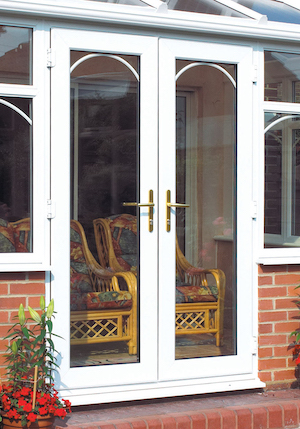

Aluminium French Door Repairs
Add a review FollowOverview
-
Founded Date September 13, 1989
-
Sectors Security
-
Viewed 19
Company Description
The No. 1 Question Anyone Working In French Door Repairs Must Know How To Answer
Comprehensive Guide to French Door Repairs: Everything You Need to Know
French Door Repair Specialists doors are a lovely architectural feature that can improve the sophistication of any home. However, like any other component of a house, they can experience wear and tear gradually. Whether it’s issues with the door frame, hardware, or glass panels, addressing issues without delay can avoid additional damage and maintain the visual appeal of your home. In this post, we will explore common issues you may confront with French Door Naintenance Tips doors and offer a thorough guide on repairs, consisting of a handy FAQ area.
Common Issues with French Doors
Before diving into repair methods, it’s important to comprehend the common problems connected with French Door Glass doors:
| Problem | Description |
|---|---|
| Misalignment | Doors don’t close properly or are stuck |
| Harmed Weatherstripping | Damaged or missing out on seals leading to drafts and leaks |
| Broken or Cracked Glass | Damage can jeopardize security and insulation |
| Faulty Hardware | Handles, locks, and hinges may wear out or become rusty |
| Decaying Frame | Wood can deteriorate due to pest invasions or moisture |
| Sticking Doors | Doors may stick due to humidity or dirt buildup |
| Drafts | Ineffective seals that enable air leaks |
French Door Repair Techniques
1. Addressing Misalignment
Misaligned doors can prevent them from opening and closing efficiently. Here’s a fast guide on how to repair this:
Tools Needed:
- Screwdriver
- Level
- Wood shims
Repair Steps:
- Use a level to examine the alignment of the door.
- If it is irregular, adjust the hinges by loosening the screws and rearranging them.
- Insert wood shims behind the bottom hinge to lift the door a little if essential.
- Tighten the screws back in location and retest the door operation.
2. Replacing Weatherstripping
The weatherstripping is vital for insulation. If you feel drafts, it’s most likely worn out.
Tools Needed:
- Utility knife
- Replacement weatherstripping
- Adhesive (if necessary)
Repair Steps:
- Remove the old weatherstripping utilizing an energy knife.
- Clean the area to ensure an excellent seal.
- Cut the new weatherstripping to size and use it, guaranteeing it fits securely.
- Press down strongly, allowing it to adhere effectively.
3. Fixing Broken or Cracked Glass
Broken glass should be replaced for security and performance.
Tools Needed:
- Safety glasses
- Putty knife
- New glass pane
- Glazier’s points
- Caulk
Repair Steps:
- Carefully eliminate the broken glass while wearing safety glasses.
- Tidy the frame and get rid of any old putty using a putty knife.
- Measure and cut the new glass pane to size.
- Insert the glass into the frame and protect it with glazier’s points.
- Apply brand-new putty around the edges and smooth it out with a caulk tool.
4. Fixing or Replacing Hardware
Faulty handles or locks can compromise security and functionality.
Tools Needed:
- Screwdriver
- Replacement hardware
Repair Steps:
- Determine if you can repair the handle/lock or if it needs a replacement.
- For repairs, tighten any loose screws or lubricate moving parts.
- For replacements, remove the old hardware utilizing a screwdriver.
- Install the new hardware according to the manufacturer’s guidelines.
5. Dealing with Rotting Frames
Wood rot is a severe concern that needs immediate attention.
Tools Needed:
- Wood chisel
- Wood filler or epoxy
- Sandpaper
- Paint or varnish
Repair Steps:
- Remove any rotted wood using a wood chisel.
- Apply wood filler or epoxy to the broken area, restoring the frame as required.
- Smooth the surface with sandpaper as soon as dried.
- End up with paint or varnish for security.
6. Resolving Sticking Doors
Sticking can often be fixed with small changes.
Tools Needed:
- Sandpaper or aircraft (if needed)
- Lubricant
Repair Steps:
- Check the hinges for tightness; change if necessary.
- If the door still sticks, sand down the location triggering friction.
- Alternatively, you can utilize a hand planer to level the edges.
- Apply lube to the hinges for smoother operation.
7. Handling Drafts
Drafts are typically an indication of deteriorated weatherstripping or misalignment.
Tools Needed:
- Weatherstripping (as discussed above)
- Caulk (for spaces)
Repair Steps:
- Follow the steps to change the weatherstripping.
- Inspect the door frame for any spaces and fill them with caulk.
Preventive Maintenance for French Doors
Routine maintenance can extend the life-span of French Door Technicians doors. Think about the following:
- Routine Cleaning: Keep the doors tidy to avoid dirt accumulation and sticking.
- Inspect Hardware: Check hinges, locks, and handles frequently for indications of wear.
- Weatherstripping Checks: Inspect seals a minimum of twice a year and change as required.
- Display for Rot: Regularly examine wooden frames for rot or insect damage.
Frequently asked question Section
1. How typically should I examine my French doors?
It’s finest to examine your French Door Repair Parts doors at least two times a year. Try to find indications of wear and tear, including issues with positioning, hardware, and seals.
2. Can I repair French doors myself, or should I hire a professional?
Numerous repairs can be performed by helpful house owners, specifically minor fixes like replacing weatherstripping or hardware. Nevertheless, for more extensive damage, such as broken glass or structural issues, working with a professional may be wise.
3. What are some signs that my French doors require repairs?
Search for misalignment, drafts, sticking, damaged hardware, or noticeable rot/damage.
4. How do I pick the ideal weatherstripping?
Select weatherstripping based on your door type and the specific gap. Alternatives include foam tape, adhesive-backed vinyl, and metal or plastic strips.
5. What should I do if my French door glass shatters?
Security initially! If the glass shatters, wear protective gear to prevent injury, thoroughly eliminate the broken pieces, and get in touch with a professional for replacement.
French Door Repair Diy doors are a sensational addition to any home, using both appeal and functionality. By knowing common issues and how to address them, homeowners can maintain their doors effectively. Regular examinations and prompt repairs can save time and money in the long run. For more substantial damage or if you’re uncertain about any repairs, consulting a professional can offer assurance.