

Espresso Bean Grinder
Add a review FollowOverview
-
Founded Date May 11, 1984
-
Sectors Software Engineering
-
Viewed 49
Company Description
3 Reasons The Reasons For Your Commercial Espresso Machine Is Broken (And How To Repair It)
The Ultimate Guide to Commercial Espresso Machines
In the bustling world of coffee culture, no tool is more renowned than the commercial espresso machine. These powerful machines not just craft a perfect cup of espresso however likewise act as a cornerstone for coffee shops and restaurants all over the world. The investment in a quality commercial espresso machine is considerable, however the payoff can be considerable when it pertains to attracting customers and boosting their experience. In this guide, we’ll take an extensive appearance at what commercial espresso machines are, the key elements to consider when buying one, and some of the very best options on the marketplace.
What is a Commercial Espresso Machine?
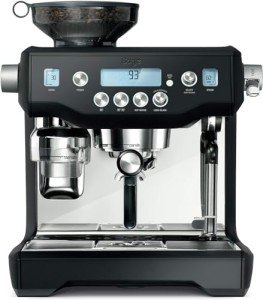
A commercial espresso machine is a high-capacity machine developed for professional use in coffee shops, restaurants, and cafe. It uses pressure to require warm water through finely-ground coffee beans, resulting in an abundant and concentrated coffee known as espresso. Unlike home espresso machines, commercial models are crafted to produce large volumes of espresso quickly and efficiently, typically featuring numerous group heads and numerous developing alternatives.
Secret Features of Commercial Espresso Machines
When selecting a commercial espresso machine, it’s vital to think about a number of key functions, as they can significantly impact performance and user experience:
| Feature | Description |
|---|---|
| Group Heads | The number of espresso beverages that can be made at the same time. More group heads = more output. |
| Heat Exchange System | Permits simultaneous brewing and steaming, allowing baristas to work faster. |
| Boiler Size | A larger boiler holds more water and can maintain steam pressure, ensuring consistency. |
| Material Quality | Professional machines are typically made from stainless steel or brass for toughness and heat retention. |
| Control System | Digital vs. manual controls; digital systems provide accuracy while manual systems provide more standard control. |
| Pumps | Vibration pumps are quieter however might not offer as constant a performance as rotary pumps. |
| Steam Wands | Think about the number and size of steam wands for frothing milk for drinks like lattes and coffees. |
Types of Commercial Espresso Machines
Manual Espresso Machines
- Designed for hands-on baristas; enable total control over the brewing procedure.
- Pros: Full control of espresso extraction; standard feel.
- Cons: Requires ability and practice to master; slower output.
Semi-Automatic Espresso Machines
- These machines require the barista to begin and stop the brewing procedure manually.
- Pros: Greater control over the process; ideal for those desiring a balance between automation and hands-on work.
- Cons: More labor-intensive than automatic machines.
Automatic Espresso Machines
- Machines that automate the water circulation, permitting for more consistency.
- Pros: Increased performance and consistency over manual techniques; ideal for high-volume environments.
- Cons: Less control over the developing procedure; can be expensive.
Super-Automatic Espresso Machines
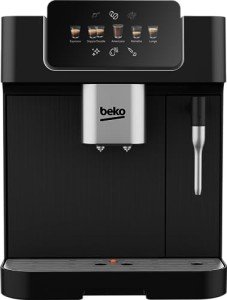
- Completely automated machines that manage everything from grinding the beans to frothing the milk.
- Pros: Extremely convenient; very little training required for personnel.
- Cons: Limited flexibility; can be pricey and may not provide the exact same quality as manual machines.
Contrast Table of Espresso Machine Types
| Type | Control Level | Perfect For | Pros | Cons |
|---|---|---|---|---|
| Manual | Complete control | Experienced baristas | Totally customizable expresso; conventional feel | Slower production time |
| Semi-Automatic | Partial control | Moderate expertise | Good balance in between control and automation | Requires barista abilities |
| Automatic | Mainly automatic | High-volume stores | Faster production and more consistency | Less personalization |
| Super-Automatic | Totally automatic | Company with less proficient personnel | Very effective; ease of use | Minimal flexibility |
Selecting the Right Espresso Machine for Your Business
When selecting a commercial espresso machine, consider the following elements:
Menu: Tailor your machine choice to your drink offerings. If you prepare to serve just espresso or espresso-based drinks, any type will be enough. However, if you concentrate on specialty coffee beverages with different frothing strategies, go with a machine with excellent steam abilities.
Volume: Analyze your expected consumer traffic. For a coffee shop serving numerous cups each day, a multi-group machine is recommended. For smaller stores, a single-group or semi-automatic machine might work simply fine.
Budget: Commercial espresso machines vary substantially in cost. Set a budget that consists of the machine, upkeep, and potential repair work. Premium machines can vary anywhere from ₤ 5,000 to ₤ 20,000 or more.
Space: Ensure your working space can accommodate the size and setup of the espresso machine. Focus on plumbing, electrical requirements, and ease of access for maintenance.
Training and Support: Choose a brand that is understood for quality customer support and support. Continuous training for personnel can also ensure consistency in your beverage offerings.

Regularly Asked Questions (FAQs)
1. How often should I clean my espresso machine?
Correct maintenance is crucial. A day-to-day cleaning regimen must be established, consisting of backflushing the machine. Regular deep cleansing every few weeks is likewise advised, depending upon usage.
2. What can I do to extend the life-span of my commercial espresso machine?
Routine upkeep, prompt repair work, and utilizing tidy, filtered water significantly extend the machine’s life. Familiarizing your personnel with machine operations likewise avoids abuse.
3. Are super-automatic machines worth the financial investment?
If you prioritize speed and ease of use, specifically in high-volume settings, super-automatic machines can be a smart investment. Nevertheless, they might not offer the quality of a more manual operation.
4. Is it better to rent or buy a commercial espresso machine?
This depends upon your organization’s monetary scenario. Leasing could suggest lower in advance costs, but complete ownership through buying can supply long-term cost savings.
5. How do I ensure consistency in my espresso shots?
Choose a machine with exact temperature level control, invest in a quality grinder, Coffeee and train your personnel on proper extraction techniques to make sure quality and consistency.
Buying a commercial espresso machine is a significant but worthy commitment for any coffee service. Understanding the various types, essential functions, and best practices for operation will empower cafe owners and baristas alike to produce exceptional espresso and produce a devoted consumer base. By making the effort to choose wisely and maintain the devices, services can eventually boost their coffee experiences and maximize profitability. With the right understanding and tools, crafting the perfect espresso shot can be a reality!